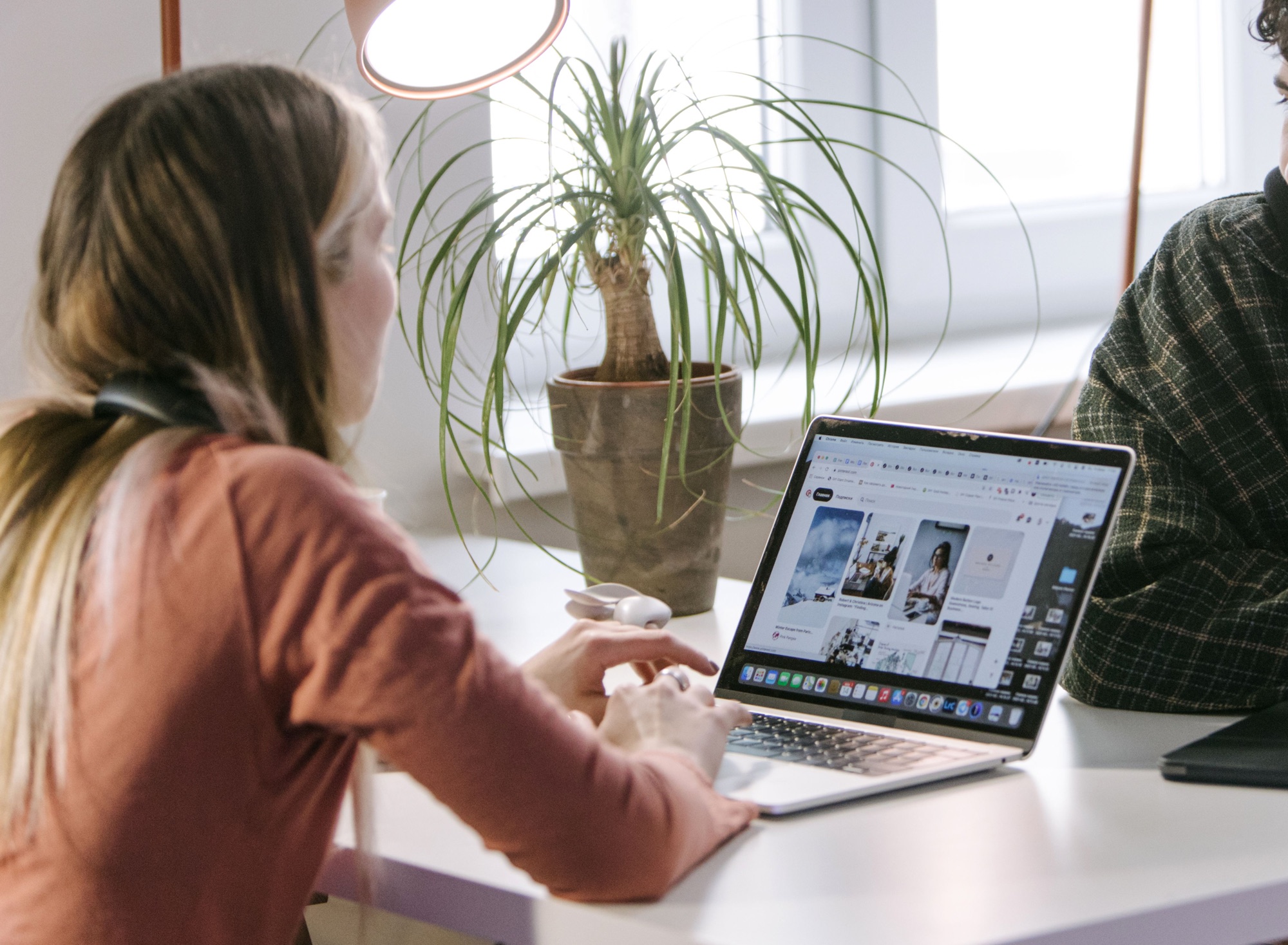
I went into my first moderated usability tests expecting validation. What I got instead was a screen recording of someone staring at a button I was sure was obvious, for eleven long seconds, before giving up and tapping something else entirely.
Planning the sessions
The biggest early mistake was writing instructions instead of tasks. "Tap the plus icon to add an entry" tells someone exactly what to do and tests nothing. "You want to log what you had for lunch — go ahead" tests the actual design. I kept the scope small too: three to five tasks per session, recruited outside my circle of friends and family so the feedback wasn't shaped by politeness.
The hardest part is staying quiet
Every instinct says to jump in and explain when someone's stuck. Sitting through that silence and letting them struggle — without rescuing the moment — turned out to be the actual skill of moderating a session. The confusion is the data.
If I have to explain it, it's not done yet.
Turning notes into decisions
After the sessions, I grouped every point of friction into an affinity map and ranked issues by how often they came up and how badly they blocked the task. Then I picked one fix per round instead of trying to patch everything at once — small enough to actually ship, focused enough to re-test and know if it worked.
Usability testing didn't make me a better designer by confirming what I already believed. It made me better by proving, repeatedly, that I'm not the user.